Every Melbourne winter the same conversation plays out in kitchens across the eastern suburbs. The ducted heater is running harder than last year, the gas bill has crept up another notch, and someone presses a palm against the lounge-room window and says, “feel that — it’s freezing.” The single pane between you and a four-degree night is doing very little.
Double glazing is the most obvious response, and a good one — but it is not always the cheapest first move. This article walks through the heat-loss picture for a typical Melbourne home, how double glazed units actually work, a plain-English approach to estimating the heating bill effect, and where the Victorian Energy Upgrades (VEU) programme fits in. It also pauses on something a lot of glossy renovation guides skip: for many homes, a roof insulation check and a basic air-seal pass deliver a better return than glass upgrades, and should usually come first.
Where Single-Glazed Windows Sit in the Heat-Loss Picture
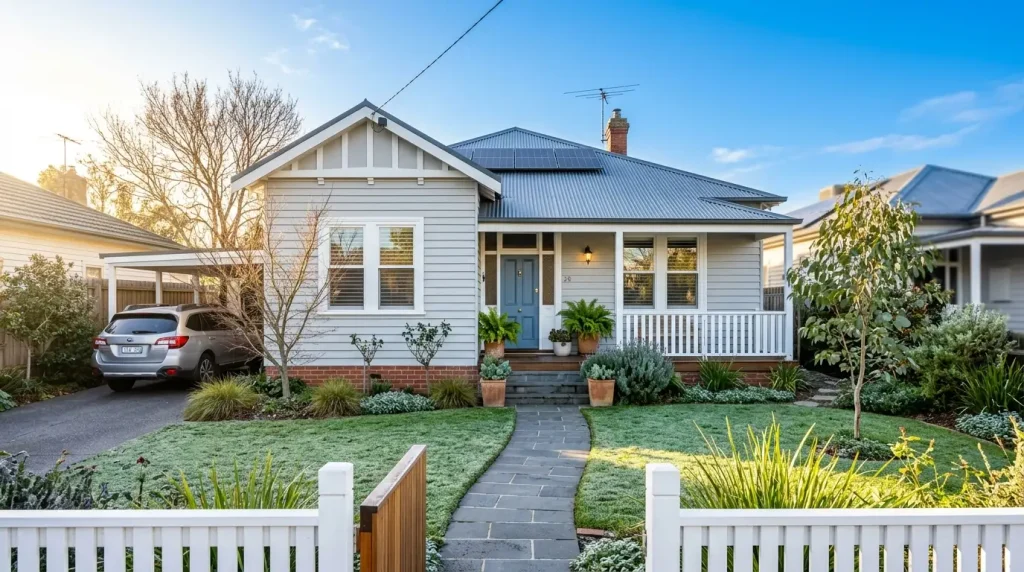
Melbourne winter sits in a particular range: typical daytime maxima of six to thirteen degrees through June, July, and August, dropping to four to seven degrees overnight, with occasional zero-to-two-degree frost mornings further out from the bay. Most of the heat your ducted system pumps in is trying to leave through the building envelope.
Industry resources describing a typical detached weatherboard or brick-veneer home break the loss down roughly as follows. The roof is the largest single channel, leaking around twenty-five to thirty-five per cent of total heat. Windows are the second-largest channel, in the order of ten to twenty-five per cent depending on glass area and frame quality. Wall cavities account for fifteen to twenty-five per cent, draughts and gap-leakage another fifteen to twenty-five, and floors round it out at ten to fifteen.
So windows are a real culprit, but not the biggest one. A single sheet of four-millimetre float glass has a U-value in the range of 5.0 to 5.8 W/m²K. A standard double glazed unit with a sealed air or argon cavity sits around 2.5 to 3.0, and a low-e coated, argon-filled unit can step down further into the 1.5 to 2.0 range. Publicly available Victorian Energy and Sustainability Victoria resources describe double glazing as capable of retaining “up to 30% more heat” than single glass in a comparable setting — a useful directional figure rather than a promise about your specific house. Internal condensation, a cold draught at the frame, and a pane that feels icy to the touch are all small pieces of evidence that the window is letting hard-won heat slip away.
Roof Insulation and Air Sealing First — A Note Worth Reading Twice
Before any window quote is signed, it is worth treating this as a stand-alone decision: would the same money do more good somewhere else?
For many older Melbourne homes — particularly anything built or last renovated before the early 2000s — the answer is yes. The roof cavity is leaking the largest share of heat, and topping up ceiling insulation to a modern R-rating is comparatively cheap. Air sealing is similarly unglamorous and similarly effective: rubber strips on external doors, gaps around exhaust fans and downlights, timber sash windows that no longer close cleanly, and cracks where skirting meets floorboards all contribute to draught loss in that fifteen-to-twenty-five per cent band. A weekend with a weatherstrip kit and a tube of acrylic gap filler can move the needle.
The honest priority order for most homes looks like this: do a basic energy assessment, top up roof insulation if it is thin or patchy, run an air-seal pass on doors and obvious gaps, and only then look at glass. Often double glazing earns its place after these cheaper steps have been done. Spending several thousand dollars on premium glazing in a house with R1.5 ceiling batts and a back door you can see daylight under is putting the expensive layer on top of an unfixed problem. VEU activity supports both directions — there are activities for ceiling insulation, draught proofing, and window glazing. A reputable VEU accredited provider will talk about what is actually most cost-effective for your home, not just what is most profitable for them to install.
How Double Glazed Units Actually Work
When the roof and the draught budget are handled and glass is the next step, it helps to understand what you are paying for. Two panes of glass are separated by a hermetically sealed cavity — still gas inside the cavity does not move much, so it cannot carry heat the way moving air does. The cavity thickness matters: twelve to sixteen millimetres is the sweet spot. Less than six and the panes radiate to each other; more than twenty and convection currents set up inside the cavity, eroding the gain.
A low-emissivity (low-e) coating is a near-invisible metallic-oxide layer on one of the internal glass surfaces, reflecting long-wave infrared radiation back into the room in winter and reflecting a portion of summer solar gain outwards. Argon gas, which conducts heat at about sixty-five per cent of the rate of air, can replace ordinary air in the cavity to squeeze another ten to fifteen per cent of resistance out of the assembly.
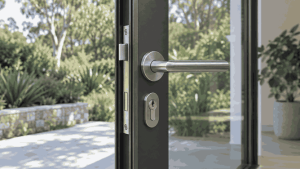
The frame is often the forgotten half of the conversation. An aluminium frame without a thermal break is a metal bridge straight through the wall — heat walks across it regardless of how good the glass is. A properly specified double glazed window uses a thermal-broken aluminium frame, a fibreglass composite, or uPVC, with cavity and frame designed as one system. Specific U-values, R-values, and energy savings depend on certified test data for the product you buy, installer workmanship, and how your house is used.
A Plain-English Walk Through the Heating Bill Maths
The honest way to estimate the bill impact is to start with your own data. Pull together your gas or electric heating bills from May through September of the most recent winter, then subtract a non-heating baseline using a shoulder-season bill — April is usually a clean reference. The difference is roughly your winter heating spend. In a typical single-glazed home with average insulation, around fifteen to twenty-five per cent of that spend can be attributed to the window channel.
Assuming the publicly cited “up to thirty per cent more heat retention” applies to the heat currently leaving through your windows, you can sketch a rough best-case bill reduction — most homeowners will land below that ceiling. For investment thinking, double glazed window replacement sits in the order of six hundred to fifteen hundred dollars per square metre of opening, depending on spec. Typical paybacks sit in an eight-to-fifteen-year band before VEU and other incentives, and contract a bit after. Comfort, noise reduction, and resale value sit outside the bill-only payback view but are real benefits. Energy prices also move — the AER publishes Default Market Offer decisions and the Essential Services Commission publishes the Victorian Default Offer, and both can change direction year to year.
Victorian Energy Upgrades — How the Window Discount Works
The Victorian Energy Upgrades programme is the state’s residential and small-business energy efficiency scheme. It covers a rotating list of activities including ceiling insulation, heat pump hot water, draught sealing, lighting, and qualifying window glazing upgrades.
The way the window discount reaches you is through an accredited provider. You do not personally claim a rebate through a government portal after the job. Instead, an accredited installer accounts for the certificate value created by your upgrade, and that value comes off the invoice as a discount when the work is done. The amount depends on the size of the upgrade, the certificate price in the market at the time, and the specific activity rules — which is why the exact dollar figure shifts. Talk to a provider for a current quote rather than relying on a number you read online.
Eligibility is reviewed regularly. The current rule of thumb is that the property must be in Victoria, the existing window must be single glazed, and the work must be done by an accredited installer using compliant products. Programme changes have continued through 2026 — new activities have been added and details on existing activities can shift, so treat the official VEU eligibility page as the source of truth when you are ready to commit. In practice the discount is often stackable with other incentives — solar hot water, heat pump rebates, federal programmes — but stacking rules vary and need to be checked case by case.
When Double Glazing Pays Off — and When It Does Not
Double glazing tends to pay off when there is a large area of glass, when long-term occupancy is planned, when an old frame is at end of life so you are paying for replacement labour anyway, and when the easier wins on the roof and draughts have already been taken. South-facing rooms are particularly good candidates. It is less compelling when window area is small, existing frames are tight, the dominant complaint is draughts from elsewhere, or the household plans to sell within a few years.
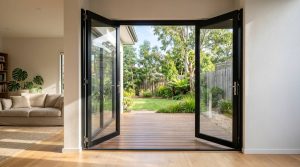
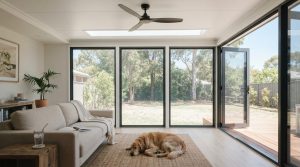
Lower-cost intermediate steps are sometimes the right answer. A worn weather seal around an operable sash can be replaced for a modest sum and recover most of the air-tightness performance of a new window. Honeycomb thermal blinds knock down radiant loss through an existing single pane meaningfully. If you are looking at a major upgrade alongside sliding doors, awning windows, or a fuller sunroom extension, it is often more efficient to design the glass package as one project.
Practical Questions to Put to Your Supplier
Ask any supplier: what is the certified glazing assembly — pane thicknesses, cavity gas, low-e treatment? What frame material, and is the thermal break confirmed? What sealing system, and what is the warranty position if the seal fails? Is the product registered with the Window Energy Rating Scheme (WERS) so independent performance data exists? How is the installation supervised, and what does the install workmanship warranty cover? Installation quality often accounts for a meaningful share of real-world performance.
Bringing It Together
Single-glazed windows are a real channel for winter heat loss — typically the second-largest channel after the roof — and double glazing with a thermal-broken frame is a recognised long-term improvement. The Victorian Energy Upgrades programme offers a discount on qualifying glazing upgrades through accredited providers, delivered as a price reduction at install rather than a separate rebate claim.
The honest first move for many homes is to check the roof and the air-seal layer before specifying premium glass. After those steps, glazing earns its place as the next logical investment, and the winter design and quote window — June through August — is the right time to plan a spring install. Melbourne Sunroom designs, supplies, and installs double glazed window systems across the Melbourne metro area, and our Point Cook showroom has single-glazed versus double glazed comparison panels you can put a hand against. To talk about your project including VEU eligibility, contact us.
The figures in this article are general industry guidance, not performance commitments. Heating savings depend on your home, your behaviour, and prevailing energy prices. The VEU eligibility list and discount amounts are set by the Victorian government and can change — confirm the current rules on the official VEU site before you commit. Structural changes to your building envelope may require Building Surveyor or council involvement; ask your installer to confirm what is needed in your case.