Melbourne’s winter temperatures range from 8-15°C, but the real challenge comes from the city’s unpredictable weather patterns. According to the Australian Bureau of Meteorology, Melbourne can experience temperature swings of up to 20°C in a single day. This creates unique challenges for home heating systems.
Looking for more home improvement insights? Visit our blog section for the latest tips and trends.
Melbourne’s Home Energy Crisis: The Hidden Window Problem
Shocking Energy Loss Facts
The Australian Building Codes Board (ABCB) reports some concerning statistics:
- Windows account for 25-30% of home heat loss
- Single-glazed windows have a U-value of 5.8 W/m²K (higher numbers mean worse insulation)
- In a typical Melbourne home, 40% of winter heating costs go towards compensating for heat lost through windows and doors
Three Major Window Challenges in Melbourne’s Climate
1. Temperature Shock: Dramatic changes from 2°C at dawn to 18°C in the afternoon 2. Humidity Control: Winter humidity often exceeds 80%, causing condensation problems 3. Strong Wind Impact: Southwest winds reaching 40km/h increase heat loss
High-Performance Window Solutions: Technical Details and Real Results
Double-Glazed Windows: Measurable Energy Savings
Technical Comparison Table:
| Window Type | U-Value (W/m²K) | Annual Savings* | Condensation Risk | Sound Reduction |
|---|---|---|---|---|
| Single-glazed | 5.8 | $0 | Very High | 30dB |
| Double-glazed (6mm+12mm air+6mm) | 2.8 | $280 | Low | 35dB |
| Double-glazed + Low-E coating | 1.8 | $420 | Very Low | 38dB |
| Triple-glazed + argon fill | 1.2 | $580 | None | 42dB |
*Based on 120m² home, Melbourne average electricity rate $0.28/kWh
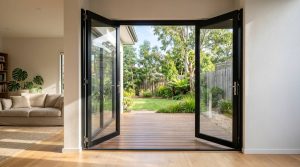
Bifold Windows: Perfect for Melbourne’s Climate
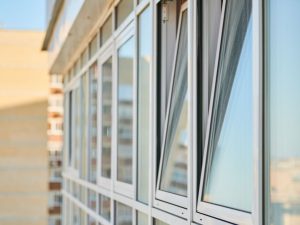
Why Bifold Windows Work So Well in Melbourne:
- Quick Weather Response: Can switch from fully closed to 90% open in 30 seconds
- Flexible Ventilation Control: Supports 25%, 50%, 75%, and 100% opening positions
- Maximized Natural Light: Can increase indoor natural light by 35% during winter
Learn more about how bifold windows provide the perfect solution for Melbourne’s changing climate.
Material Performance Comparison:
- Aluminium Bifold Windows: Low heat conduction, corrosion-resistant, $45 annual maintenance
- uPVC Bifold Windows: Best insulation performance, excellent sound reduction, 25-year warranty
- Timber Composite Bifold Windows: Most attractive appearance, but requires $120 annual maintenance
For help choosing between different door options, read our comparison guide on sliding door vs folding door options.
Sunroom Extensions: Return on Investment Analysis
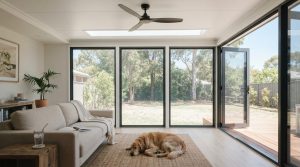
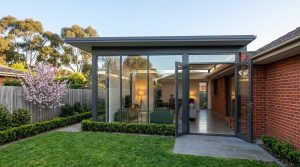
A well-designed sunroom extension can transform your Melbourne home while providing excellent returns. These sunroom solutions maximize natural light in Melbourne homes while creating valuable living space.
Real Case Study: Camberwell Home Renovation
Project Background: 140m² two-story home with north-facing backyard Renovation Plan: 25m² sunroom + whole-house double-glazed window replacement
Investment and Returns:
- Total Investment: $28,500
- Annual Energy Savings: $680
- Property Value Increase: $45,000 (according to Domain data)
- Payback Period: 8.5 years
Measured Results:
- Winter indoor temperature increase: Average 3.2°C
- Natural light increase: 42%
- Heating cost reduction: 38%
Design Keys: Maximizing Winter Benefits
Orientation Choice:
- North-facing is Best: Low winter sun angle provides 8 hours of sunlight
- Northeast is Second Best: Good morning sun, avoids afternoon overheating
- Avoid South-facing: Almost no direct sunlight in winter
Glass Configuration Recommendations:
- Roof: 6mm tempered glass + 12mm argon + 6mm Low-E glass
- Sides: Adjust Solar Heat Gain Coefficient (SHGC) based on orientation
- North-facing: SHGC 0.6-0.7 (welcome winter sun)
- West-facing: SHGC 0.3-0.4 (prevent overheating)
Selection Guide: How to Avoid Common Mistakes
Budget Planning: Best Solutions for Different Investment Levels
Basic Level ($8,000-15,000):
- Focus on replacing north-facing main room windows
- Choose standard double-glazed uPVC windows
- Expected energy savings: 25-30%
Intermediate Level ($15,000-30,000):
- Whole-house window upgrade + some bifold windows
- Add Low-E coating and argon gas fill
- Expected energy savings: 40-50%
Premium Level ($30,000+):
- Sunroom + whole-house high-performance window system
- Smart ventilation and shading controls
- Expected energy savings: 55-65%
Winter-Specific Benefits: Discover why a sunroom is the perfect autumn winter upgrade for your Melbourne home.
Avoid These Common Mistakes
❌ Only Looking at Price, Ignoring Performance
- Cheap single-glazed windows cost more in the long run
- Tip: Calculate 10-year total ownership costs
❌ Ignoring Installation Quality
- Even the best windows will leak air if poorly installed
- Tip: Choose NECA-certified installers
❌ Not Considering Maintenance Costs
- Timber windows seem cheaper but have high maintenance costs
- Tip: Calculate 25-year lifecycle costs
Implementation Timeline: Best Renovation Timing
Seasonal Construction Considerations
Best Construction Period: March-May (Autumn)
- Stable weather, ideal construction conditions
- Complete before winter to immediately enjoy insulation benefits
- Avoid summer heat and winter rain seasons
For detailed planning information, check out our winter sunshine Melbourne sunroom installation guide.
Project Timeline:
- Design consultation: 1-2 weeks
- Manufacturing: 3-4 weeks
- Installation and testing: 1-2 weeks
- Total: 6-8 weeks
Government Rebates and Incentives
Victorian Energy Upgrades (VEU) Program:
- Double-glazed window rebate: Up to $1,000
- Eligibility: Energy efficiency rating improvement of 2 stars or more
Solar Hot Water System Package Deal:
- Comprehensive energy efficiency upgrades can receive additional 10% cashback
Conclusion: Investing in Future Comfort and Value
Upgrading your window system is not just a necessary investment to handle Melbourne’s harsh winters – it’s a smart choice that improves quality of life and property value. Based on the data analysis above, a well-planned window upgrade project typically pays for itself within 8-12 years while significantly improving living comfort.
In Melbourne, a city famous for having “four seasons in one day,” let your home become a strong fortress against unpredictable weather, allowing you to enjoy warm, comfortable living year-round.
Ready to get started? Browse our gallery of completed projects or contact our expert team for a free consultation and quote. You can also read our complete guide to modern sunrooms in Melbourne to explore more design possibilities.
Data Sources: Australian Building Codes Board (ABCB), Victorian Department of Energy, Domain Property Data, Australian Bureau of Meteorology