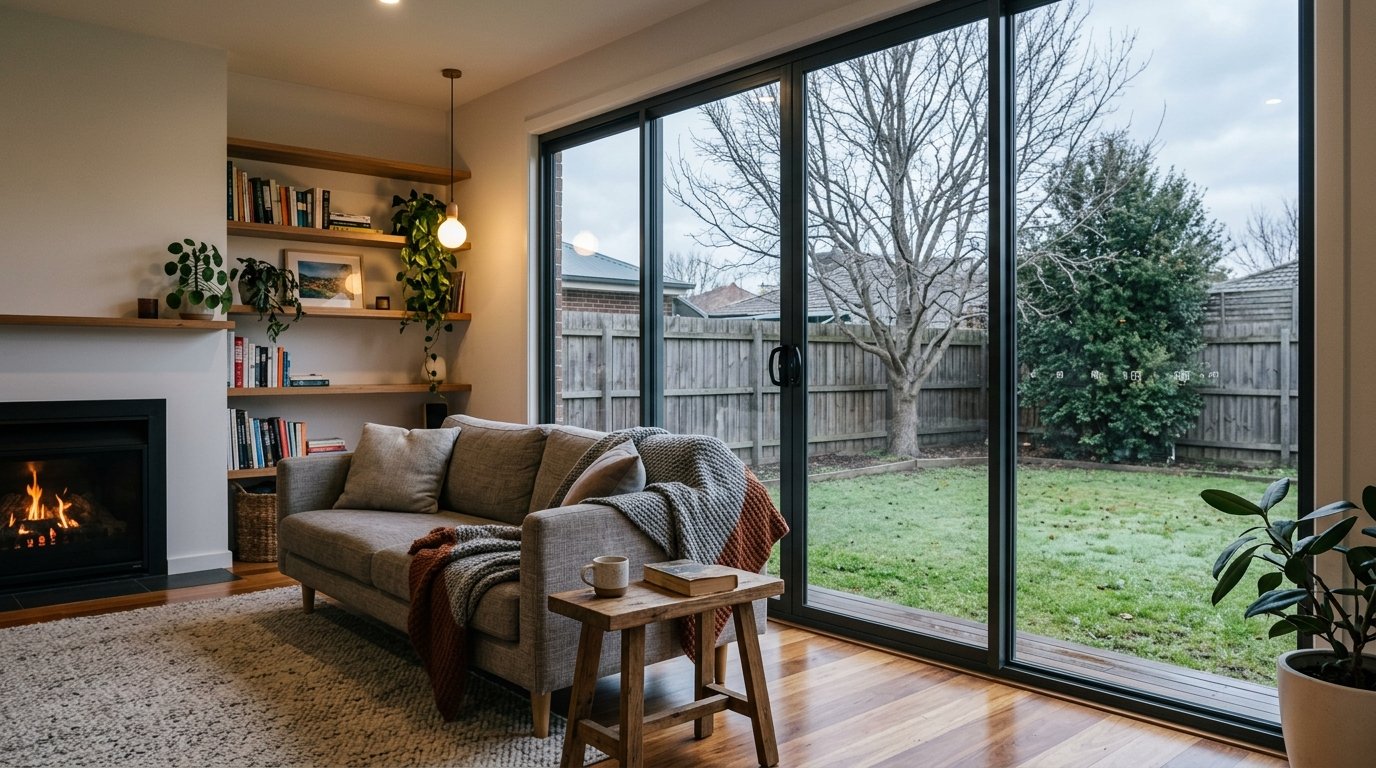
Double Glazed Windows in Melbourne: Do They Actually Save Money? A Homeowner’s Honest Guide
You’ve probably seen the ads. “Cut your energy bills in half!” “Double glazing pays for itself!” Maybe a neighbour mentioned they got new windows and their winter gas bill dropped. Or maybe you’ve been sitting next to a window in July, feeling the cold pour off the glass like water, and thought: there has to be something better.
Double glazed windows are one of the most talked-about home upgrades in Melbourne. But between the marketing claims and the genuine building science, it’s hard to know what to actually expect. So here’s the straight answer — what double glazing does, what it costs, and whether it makes financial sense for your home.
What Double Glazing Actually Is
A double glazed window has two panes of glass separated by a sealed gap — usually 12 to 20mm — filled with argon gas or dry air. That gap is the insulation. Glass on its own is a terrible insulator. But a pocket of still gas between two panes dramatically slows heat transfer.
The glass itself matters too. Low-E (low emissivity) coatings are thin metallic layers applied to one pane that reflect radiant heat. In winter, they bounce your heating back into the room. In summer, they reflect solar heat away.
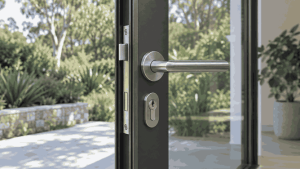
But here’s the part most people miss: the frame matters as much as the glass. A high-performance double glazed unit in a cheap aluminium frame without a thermal break is like putting a good engine in a car with no tyres. The frame conducts cold straight through, creating condensation and cold spots. Quality aluminium frames — like those in our insulated sunroom builds — use an insulating barrier between the inner and outer frame sections, stopping that heat bridge.
The Real Cost
Pricing double glazed windows depends on so many variables that quoting a single number would be misleading. What affects the price:
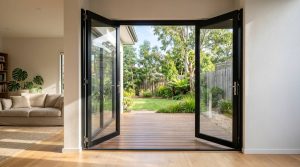
- Window style — a fixed pane costs less than an operable sliding window or tilt-and-slide window. Bi-fold windows with multiple panels cost more again.
- Frame material and quality — thermally broken aluminium performs well and suits Melbourne’s architectural styles. The quality of the thermal break and hardware directly affects both performance and longevity.
- Glass specification — standard double glazing, Low-E coated, tinted, laminated, or combinations. Each adds performance and cost.
- Size and access — large openings, upper-storey installations, and difficult access all add to labour costs.
- Retrofit vs new build — replacing existing windows in an older home involves more work than installing in new construction or a new sunroom extension.
As a rough guide, expect double glazed windows to cost meaningfully more than single glazed equivalents. The premium varies widely — sometimes 30%, sometimes double — depending on the factors above. Get at least three quotes, and compare specifications, not just price.
Energy Savings — What to Realistically Expect
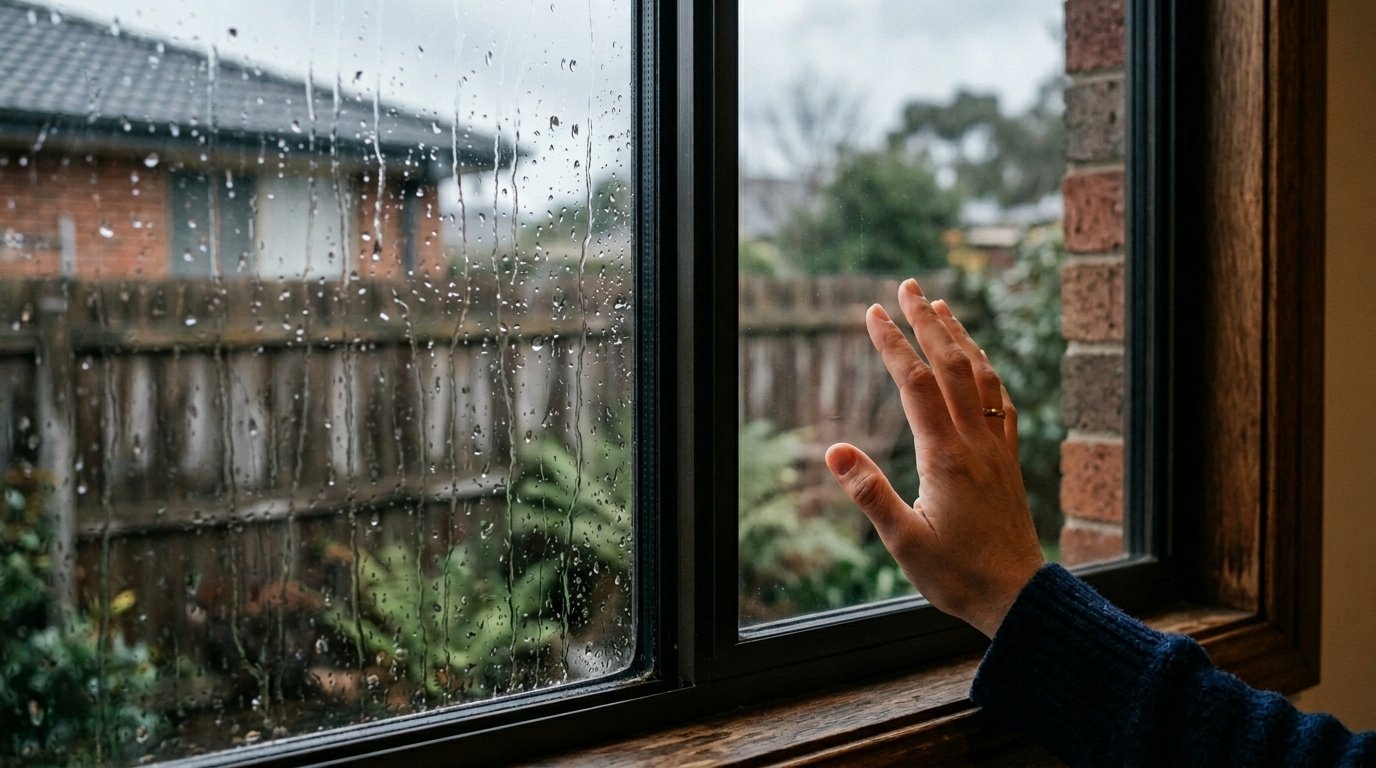
Raindrops stream down the outer pane, but the inner glass stays dry and warm to the touch — that’s the thermal break at work.
Here’s where honesty matters most. Industry estimates suggest that up to 40% of a home’s heating energy can be lost through windows. That’s a real number, and it’s significant. Double glazing dramatically reduces that loss.
But “reduces heat loss through windows” and “halves your total energy bill” are very different statements. Your actual savings depend on:
- How much glass your home has — a home with floor-to-ceiling windows in every room will see bigger savings than one with small, standard windows
- The condition of what you’re replacing — upgrading from old single-glazed aluminium windows to thermally broken double glazing is a massive jump. Upgrading from decent timber-framed single glazing is a smaller improvement.
- How you heat and cool your home — if you’re running a ducted gas system through winter, the savings from reduced heat loss translate directly to lower gas bills. If you barely heat or cool, you’ll notice comfort more than cost savings.
- Your home’s overall insulation — windows are one part of the building envelope. If your ceiling has no insulation, or your walls are uninsulated weatherboard, fixing only the windows captures some benefit but not all. For a broader approach, our Melbourne winter home upgrade guide covers insulation strategies beyond windows.
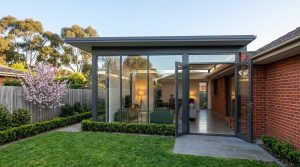
A realistic expectation for a typical Melbourne home upgrading from single to double glazing: a noticeable reduction in heating and cooling costs, typically in the range of 20-30% on those specific bills. For homes with large glazed areas — or those adding a glass-heavy sunroom — the impact is proportionally larger.
Will that pay for the windows? Over time, potentially. But if the only reason you’re upgrading is to save money on energy, the payback period is long — often 10 to 15 years or more. Double glazing makes stronger financial sense when you’re already replacing windows (because they’re old, damaged, or draughty), building an extension, or factoring in property value.
What Double Glazing Improves Beyond Energy Bills
The energy savings get all the attention, but for most Melbourne homeowners, these are the benefits they actually notice first:
Noise reduction. This is the one that surprises people. Double glazed windows cut external noise significantly — traffic, dogs, lawnmowers, flight paths. If you’re on a busy road or near a train line, this alone can transform how your home feels.
No more condensation. Single glazed windows in Melbourne create puddles of condensation every winter morning. That moisture breeds mould around frames and window sills. Double glazing keeps the inner pane warmer, so condensation rarely forms.
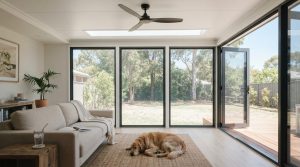
Even room temperature. No more cold zones near windows. No more choosing between closing the curtains for warmth and opening them for light. Rooms feel consistently comfortable. This matters especially in glass-heavy spaces like sunrooms or living areas with large sliding doors.
UV protection. Low-E glass and laminated options block a large percentage of UV radiation, protecting furniture, flooring, and artwork from fading.
Property value. Energy-efficient windows are increasingly factored into property valuations — and paired with a well-designed sunroom, they can save thousands on electricity while adding liveable square metres. With Victoria’s 7-star energy rating requirements for new builds, double glazing is moving from “premium upgrade” to “expected standard.” Homes without it will increasingly look dated.
When Double Glazing Makes the Biggest Difference
Not every home benefits equally. Double glazing has the biggest impact when:
- You have large areas of glass — open-plan living with floor-to-ceiling windows, glass sunrooms, or multiple bi-fold door panels
- Windows face south or west — south-facing windows lose the most heat in winter; west-facing windows gain the most unwanted heat in summer
- Your home is older with original single-glazed aluminium windows — these are the worst performers, and the upgrade gap is enormous
- You’re building a new room or extension — it’s far more cost-effective to install double glazing from the start than to retrofit later
- You use the space year-round — a room you only use in summer won’t justify the investment the same way a main living area will
If you’re already planning a home extension or replacing old windows, double glazing is almost certainly worth the incremental cost. If you’re purely retrofitting functional windows for energy savings alone, do the numbers carefully.
How to Compare Quotes (Without Getting Lost in Jargon)
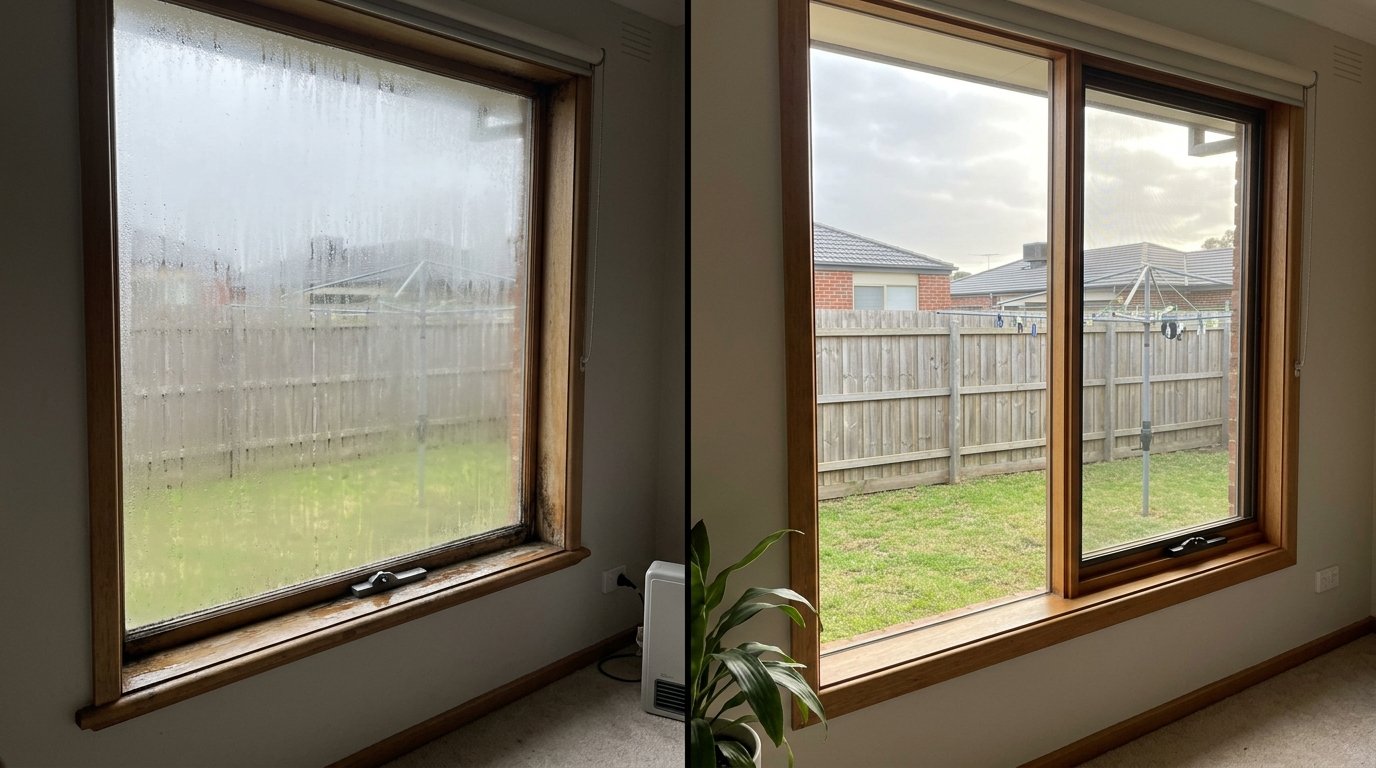
Left: a typical Melbourne single-glazed window on a winter morning. Right: the same scenario with double glazing — the inner pane stays warm, so condensation never forms.
When you’re getting quotes for double glazed windows, here’s what actually matters:
U-value. This measures how much heat passes through the window. Lower is better. A single glazed aluminium window might have a U-value of 6-7. A good double glazed thermally broken unit should be under 2.5, and the best — with premium Low-E coatings and argon fill — get below 1.5.
Glass type. Ask what glass is being quoted. Clear double glazing performs worse than Low-E coated. Argon-filled performs better than air-filled. Laminated adds safety and noise reduction. Make sure you’re comparing like-for-like.
Frame detail. Ask specifically about thermal breaks. Not all aluminium frames are thermally broken. A frame without a thermal break will underperform regardless of the glass quality.
Installation. This is where cheap quotes often cut corners. Poor sealing around the frame means air leakage, which defeats the purpose of upgrading the glass. Ask how the windows will be sealed and weatherproofed.
Warranty. Quality manufacturers offer long warranties on both the sealed glass unit (against fogging from seal failure) and the hardware. Ten years on the sealed unit is a reasonable minimum.
Frequently Asked Questions
Is double glazing worth it in Melbourne’s climate? Melbourne’s temperature swings — cold winters, hot summers, and everything in between on the same Tuesday — make double glazing more beneficial here than in consistently mild climates. The insulation works both ways: keeps heat in during winter and out during summer.
Can I retrofit double glazing into my existing window frames? Sometimes, but it depends on the frame condition and depth. In many cases, full replacement gives a better result because you get modern thermally broken frames as well. A proper assessment will tell you which approach suits your situation.
What’s the difference between double and triple glazing? Triple glazing adds a third pane and second gas gap. It performs better on paper, but in Melbourne’s climate the improvement over good double glazing is marginal. Triple glazing makes more sense in extreme cold climates like Northern Europe or Canada.
Do I need council approval to replace windows? Typically no, for like-for-like replacements. If you’re changing window sizes, adding new openings, or working on a heritage-listed property, you may need permits. Check with your local council or talk to your installer.
Making the Decision
Double glazed windows are a genuine improvement to comfort, noise, and energy efficiency — that much is straightforward. Whether they make financial sense depends on your starting point, how much glass you have, and whether the upgrade is standalone or part of a bigger project.
The homeowners who are happiest with their double glazing investment tend to be the ones who upgraded for comfort and treated the energy savings as a bonus, rather than expecting the windows to pay for themselves on the electricity bill alone.
Want to understand what double glazing would mean for your specific home? Get in touch with Melbourne Sunroom for an honest assessment. Browse our window and door range or take a look at our project gallery to see installed examples across Melbourne homes.